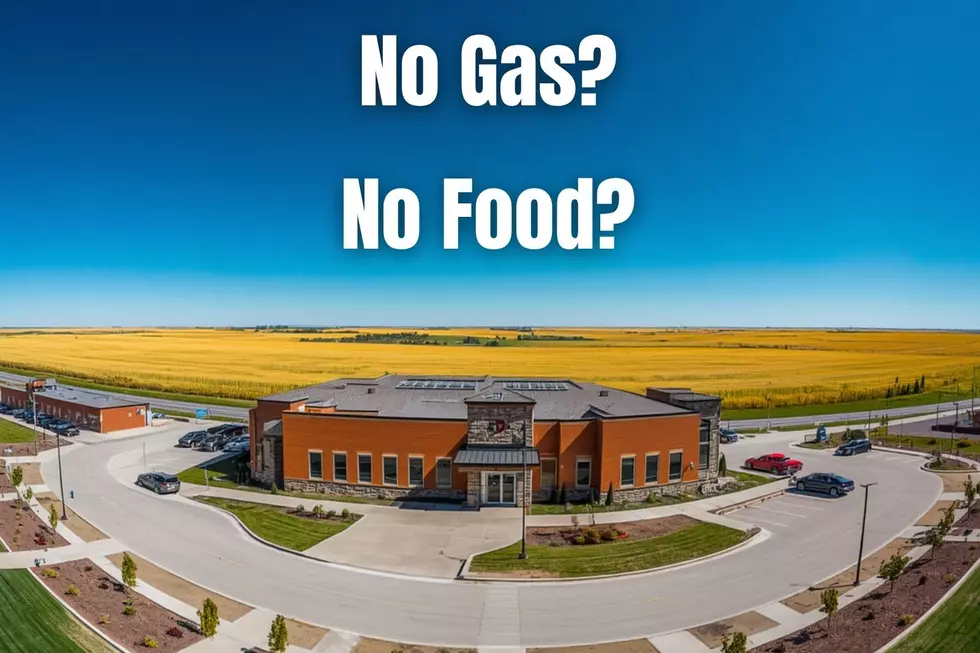
Why Gas & Food is Illegal at South Dakota Rest Stops
We’ve all been there. You’ve been white-knuckling the steering wheel for hours on Interstate 90, still a grueling empty stretch of highway away from the Black Hills. Your stomach is growling, the fuel light just flickered on, and right on cue, a glorious blue highway sign appears: SOUTH DAKOTA REST AREA AHEAD.
Relief washes over you. You pull off the exit, coast into the parking lot, and walk through the doors expecting to grab a burger and maybe fill up the tank.
Instead? You get a sparkling clean restroom, a rack of tourist brochures, and a lone vending machine humming in the corner. No gas pumps. No hot food. No chatty convenience store clerk telling you their life story.
It feels like a huge missed business opportunity, why can't you get gas and a hot meal at a South Dakota Rest Stop, or ANY rest stop for that matter? Well, there's actually a very specific (and strictly enforced) reason you will never see a gas station or a fast-food joint at a South Dakota rest stop. And it goes back to the a time before most of us were born.

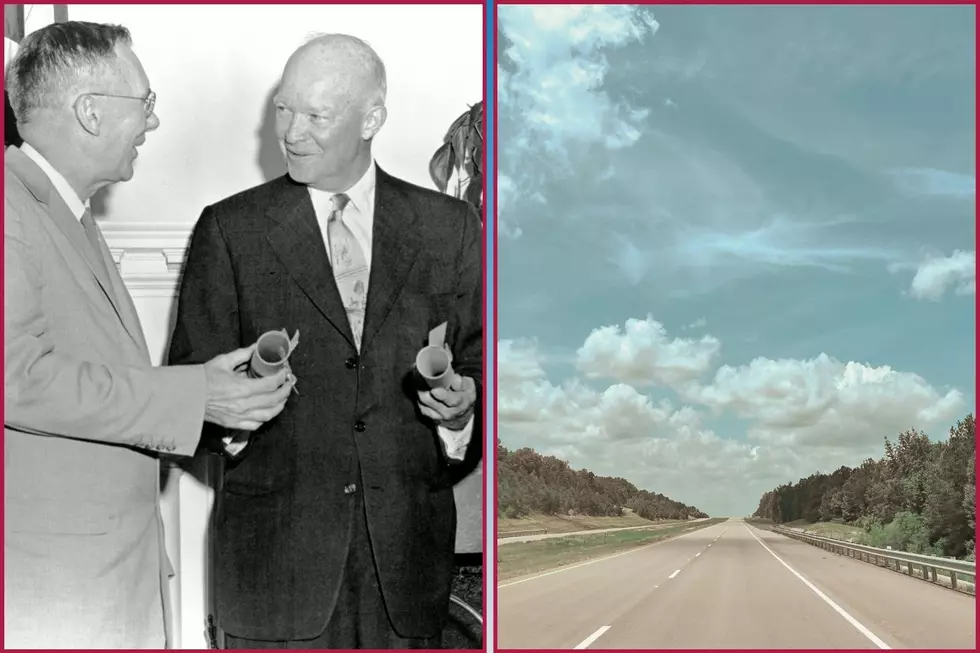
Back in the 1950s, the U.S. was in the middle of one of it's most ambitious projects - The U.S. Interstate Highway System. While this was undeniably one of the greatest infrastructure projects America has ever undertaken, it didn't happen without a big battle in Congress. These interstates were all designed to be freeways, with national standards for construction, as well as signage.
While the highways were being constructed, many wanted there to be designated "Rest Stops", where travelers could stock up on food and gasoline while stretching their legs at the same time. However, others argued this would be a huge problem for local cities and towns. If travelers could refill their fuel and get a hot meal at a rest stop, what would that do to the local economies in these areas?
The U.S. Congress came up with a compromise of sorts. Instead of allowing convenience stores and restaurants at these designated rest stops, they would do the opposite, and actively ban them, nationwide. These designated rest stops would still be built, but only for weary individuals who needed legitimate respite from the long haul of the road.
When Congress officially passed the Federal-Highway Act of 1956, that commercial ban became federal law. South Dakota would do its part and go on to enforce the rule within state borders, making sure small towns along the interstates would not only survive, but thrive. Towns like Murdo, Chamberlain, Wall, Belvidere, and Salem greatly benefited from the ban, as people who were traveling from around the U.S. would inevitably make a pit stop at their restaurants and gas stations.
South Dakota didn't just accept the federal ban either, it codified it into state law as well. Here in the Mount Rushmore State, all you'll find at a rest stop is a clean bathroom, a friendly attendant, some brochures, vending machines, and maybe, if you're lucky, hot coffee. That's the way it's been for generations and the small towns across the state that border Interstates 90 & 29 wouldn't have it any other way.
Why Are There So Many South Dakota License Plates in Mexico?
Gallery Credit: Andy Gott
More From KXRB