South Dakota Uranium Mining Back After 50 Years?
If you thought uranium mining in South Dakota was a relic of the Cold War era, think again. State officials have officially opened the floor for public feedback on proposed permits that could bring uranium operations back to the state for the first time in 50 years.
With the clock ticking on public input, local landowners, environmental groups, and state leaders are gearing up for a debate that could reshape the region for generations to come.

High above the aquifers and rolling terrain of Fall River and Custer counties, a proposal is brewing. Energy developers are officially seeking state permits to revive uranium recovery in the Black Hills. Proponents promise local economic growth and domestic energy independence, while opponents warn of severe risks to precious water supplies.

Uranium mining in South Dakota isn't new, but it carries a heavy history. During the mid-20th century, operations flourished around Edgemont and the North Cave Hills to supply the Cold War arms race and early nuclear power. By 1973, falling market prices and environmental concerns shut the industry down, leaving behind decades of cleanup efforts and persistent anxieties over groundwater contamination. For a half-century, the idea of tapping the state’s radioactive ores seemed like a closed chapter.
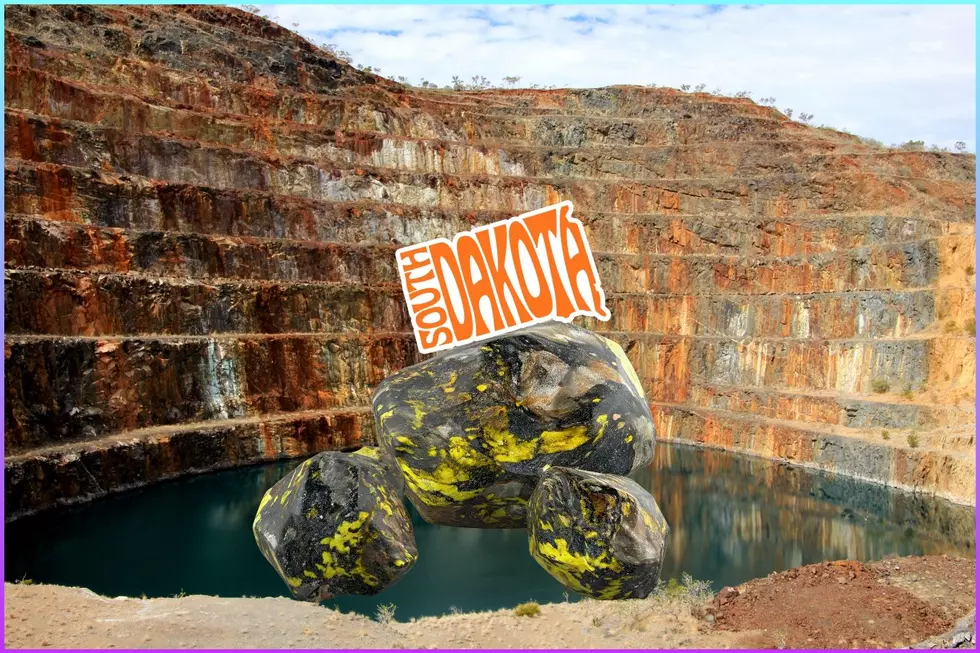
Now, energy company Powertech (USA) Inc. is pushing to reopen that chapter with its proposed Dewey-Burdock project. Using an in-situ recovery process that injects liquid underground to extract uranium, the company aims to tap into massive deposits in the southwestern Black Hills. While supporters highlight new jobs, tax revenue, and clean energy needs, tribal nations, landowners, and conservation groups warn the process puts critical aquifers and every day South Dakotans at risk.
With the South Dakota Department of Agriculture and Natural Resources (DANR) opening state water and mining permit applications for public review, the decision now sits squarely in the hands of residents. Whether South Dakota steps back into the uranium business or draws the line for good, the coming weeks of public input will dictate the Black Hills' energy future.
More From KXRB