
How South Dakota Beat the Dust Bowl With One Powerful Weapon
These days, most of us just innocently drive by long lines of trees without a second thought - not realizing that there was a time when those same trees didn't exist in that exact spot.
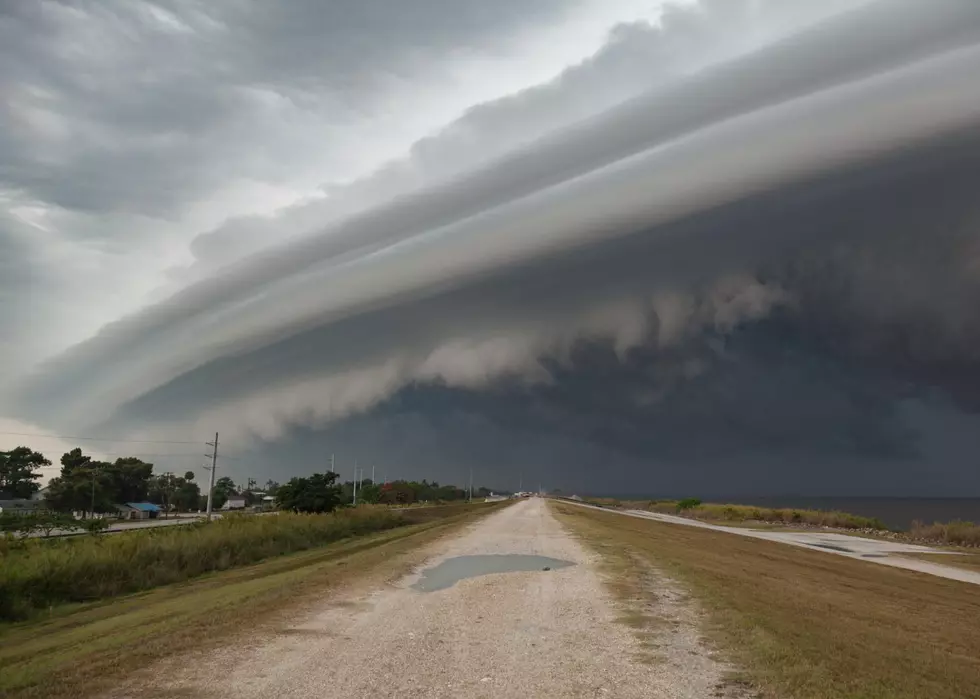
In the mid-1930s, the skies over South Dakota didn't just turn grey; they turned jet black. Gigantic walls of topsoil, known as "Black Blizzards," were killing off the livestock of local farmers, burying farm machinery in two feet of dust, and threatening to turn the state into a permanent desert. But South Dakotans didn't just wait for the wind to stop and hope for the best; they got proactive and fought back with a shield of nature on an unprecedented scale.
Locals planted a 100-mile-wide "living weapon" of over 40 million trees, and the state began a scientific war against erosion that would eventually change the face of the Great Plains forever.

READ MORE: The Fateful Words FDR Spoke at the Mt. Rushmore Opening

Back in the 1930s, the Dust Bowl was ravaging the Great Plains, and there were few who had solutions to combat the dirt and dust plaguing the farmers of South Dakota, Nebraska, Kansas, and Oklahoma. After visiting the Plains States in 1934, it was actually President Roosevelt himself who got the idea of planting a "Great Wall of Trees".
Eventually, it became known as the Prairie States Forestry Project and was a massive part of FDR's New Deal. In a span of 7 years (1935-1942), over 220 million trees were planted in the U.S. From the northern reaches of North Dakota (near the Canadian Border) to Texas, the Civilian Conservation Corps (CCC) employed thousands of workers to plant all kinds of trees.
In South Dakota, the CCC partnered with the U.S. Forest Service to determine which tree species would be the best weapon against the dust and exactly how many would be needed to pull this off. It's estimated that tens of millions of trees were planted in South Dakota alone, including Ponderosa Pine (Critical in helping defend the plains against brutal South Dakota blizzards), American and Siberian Elm Trees (Fast-growing, hardy trees that provided quick height), Green Ash Trees (The heavy lifters)
Where Was the Prairie States Forestry Project in South Dakota?

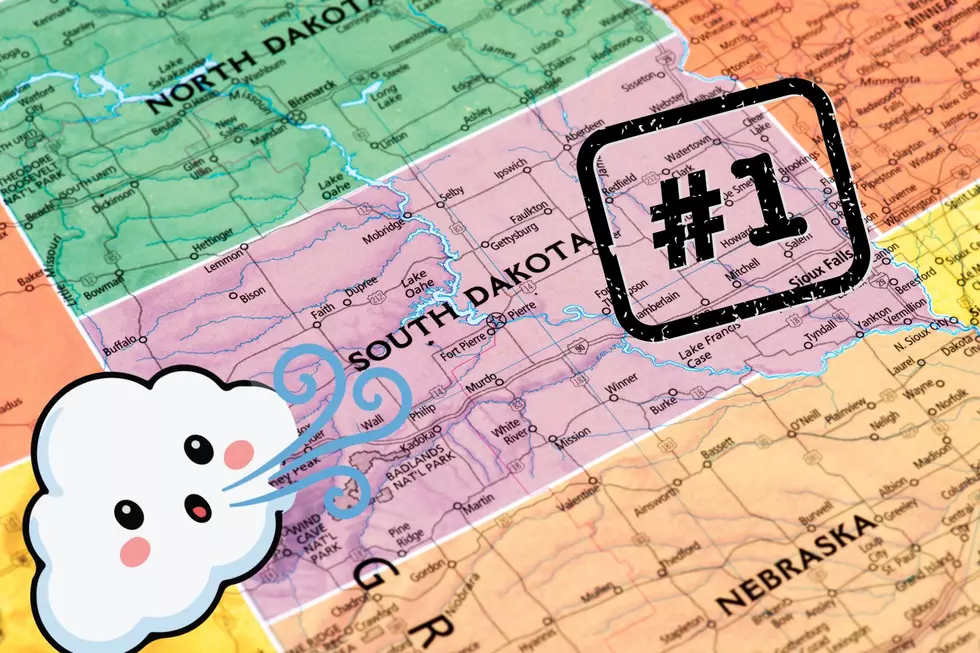
The project focused on the eastern half of the state, where rainfall was just enough to sustain trees, but the wind was most damaging to crops. The plantings were concentrated in a wide strip roughly 100 miles wide, primarily between the 98th and 100th meridians.
You’ll find the densest remnants of the original 1930s-40s shelterbelts in counties like Brown, Spink, Beadle, Sanborn, and Davison.
How Successful Was the Prairie States Forestry Project in South Dakota?
The project was a resounding success in South Dakota and across the entire Great Plains Region of the U.S., effectively reducing wind velocity, protecting the vital soil on local farms, and providing jobs to thousands during the Great Depression.
Some of the original shelterbelts remain, although, these days, many of the original trees have died or are dying and need to be replaced. Nevertheless, the Great Shelterbelt remains an enduring legacy in the Mount Rushmore State.
Gone But Not Forgotten - Iconic Sioux Falls: Whiffer's Sandwiches
Gallery Credit: Karla Brown
More From KXRB